
Impact Producer Accelerator Programme
Applications closed
BAFTA albert has launched the Impact Producer Accelerator programme to support the role of Impact Producers in the industry. The immersive workshops in collaboration with Together Films are an industry focused, hands‑on programme designed to power the next generation of Impact Producers in the UK.
These sessions are expert-led with high‑value networking opportunities – participants will gain the practical tools, strategic frameworks and creative confidence needed to craft bold, effective social impact campaigns for Film & TV.
BAFTA albert’s Impact Producer Accelerator Programme is a springboard for emerging talent ready to shape culture, shift conversations and drive real-world change as an Impact Producer.
Storytelling doesn’t just entertain, it can spark real world change
Impact Producers bridge the gap between brilliant stories and real-world outcomes. They can create tangible social, cultural, political and environmental change by working behind the scenes of issue driven productions. They ensure that the content doesn’t just reach audiences but inspires them to act.
Why it matters:
The entertainment sector is increasingly aware of its positive influence:
- 79% of organisations agree they would like to do more to ensure their content has a positive impact
- 73% of organisations they would like more information on how to measure the impact of their content
Source: OKRE Report: Delivering Social Impact in Entertainment Content, 2024
As the demand for meaningful content grows, so too does the need for skilled professionals who can ignite powerful moments on screen into action.
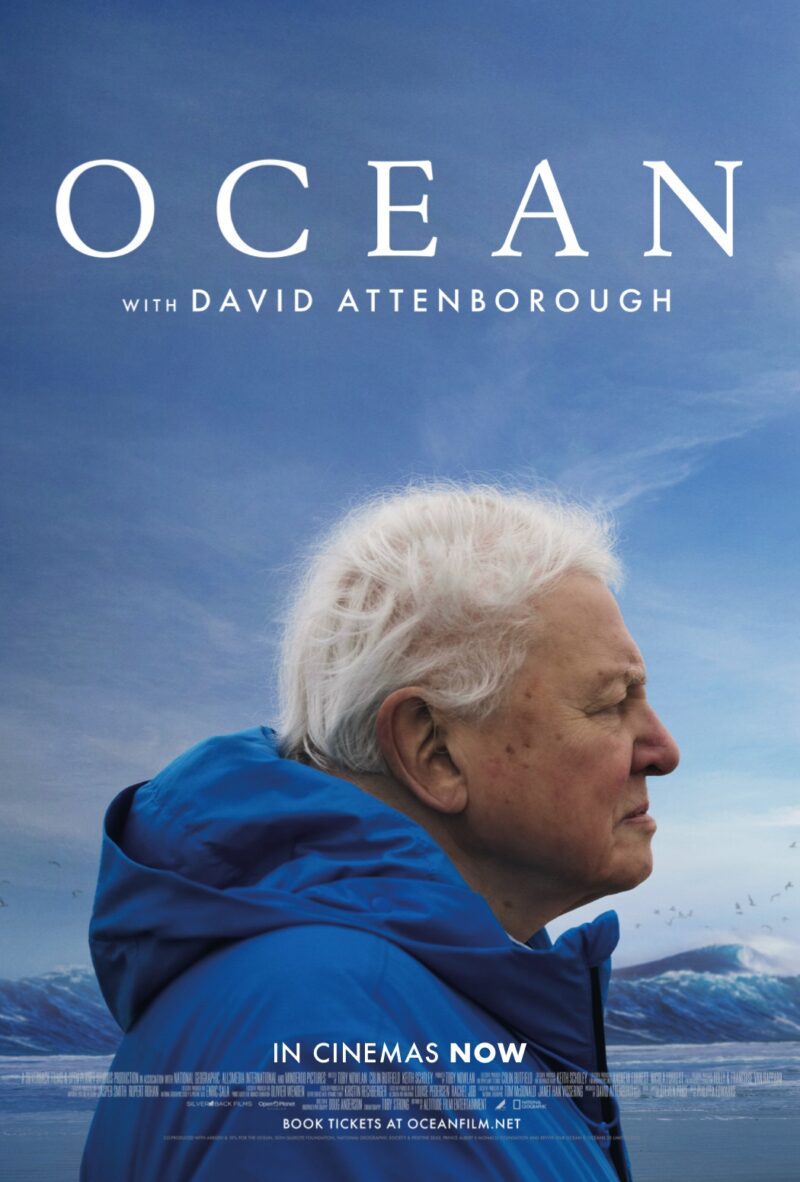
Case Study: Ocean with David Attenborough
Award Winning nature documentary, Ocean with David Attenborough, has a clear call to action: protect our oceans.
Embedding an impact producer from the start, Ocean targeted two key changes – 1. Creating Marine Protected Areas and 2. Banning the destructive practice of Bottom Trawling.
How?
- Awareness. They exposed the harmful practices by featuring groundbreaking footage exposing the seabed’s destruction from bottom trawling.
- Timing. The film’s release was timed to align with the 2025 UN Ocean Conference, where the UN was aiming to get 60+ countries, to make formal commitments to ratify the High Seas Treaty (protecting 30% of the world’s seas by 2030).
- Political Action. To engage the UK Govt a shortened version of the film was screened at 10 Downing Street with 50+ MPs (incl. Prime Minister)
- Public Engagement. They built discussion guides, had free screenings for schools and info sheets for teachers, and provided links to actions the viewer could take.
Wins:
In Sept ‘25 60 countries ratified the High Seas Treaty to protect Marine areas. Including the UK.
Mass engagement: Released on Attenborough’s 99th birthday, highest-grossing nature documentary of the decade (580+ cinemas and NatGeo, Disney+ and Hulu). They also created a free school screening programme to engage a younger audience.
This impact campaign was developed and executed by Open Planet.

Case Study: Roma
Roma centres on the story of Cleo, an indigenous woman who works as a live-in domestic worker for a middle-class family in 1970s Mexico City.
How?
- Awareness. Partnering with action led non-profits, they built a campaign to spark conversations around the treatment and rights of domestic workers which was successfully picked up by the media.
- Public and Political Engagement. They targeted key audiences such as Roma movie goers, domestic workers, employers and govt. officials and led discussions on the treatment of domestic workers.
Wins:
- In Dec 2018, 2.4m domestic workers were given access to social security by the Mexico Supreme Court.
- In March 2019 the Mexican Representative to the U.N., coined the term the “Roma effect” for “helping Mexico to strengthen the government’s conviction to continue the fight for gender equality and commit to ratifying the ILO Convention 189.”
- The National Domestic Workers Bill of Rights was introduced in US Congress.