
Posted on 8th December 2025

Education Partnership Spotlight: Cyrosphere – How One Student Turned a Glacier into an Immersive Call to Action

When Bournemouth University student James Killick began developing his graduate project, he knew he didn’t want to simply talk about the climate crisis – he wanted people to feel it. The result was Cryosphere: A Public Meltdown, an immersive event that blends projection mapping, documentary storytelling and live theatrics to drop audiences directly into the heart of a glacier.

What began as academic research grew into a creative experiment in emotional engagement – and a low-carbon production model with a powerful environmental message at its core.

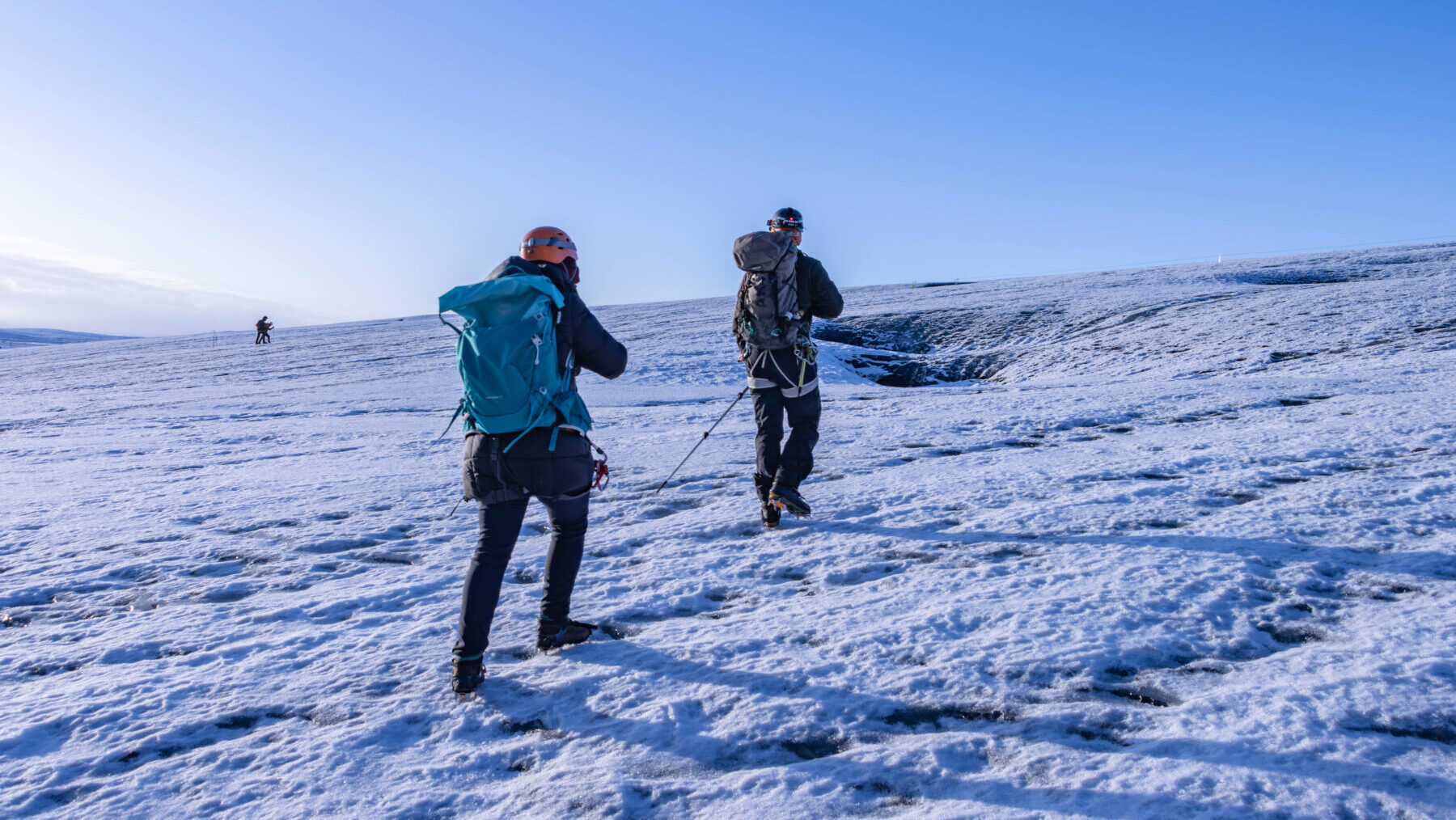
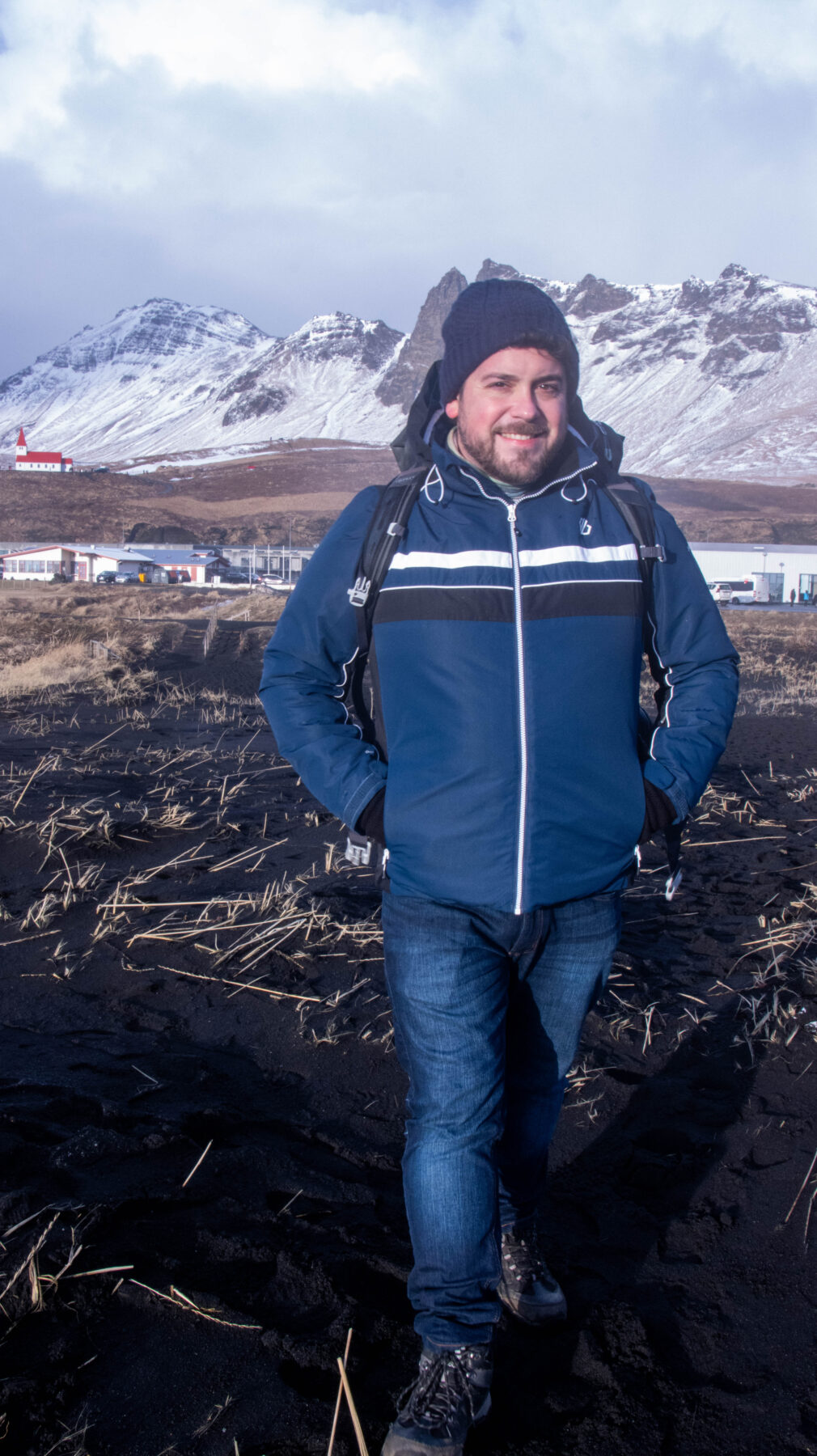
James recalls the seed for Cryosphere being planted years earlier, on a trip to Iceland which he described as transformative. “I didn’t know what a glacier really was before that trip. Seeing one up close – understanding how ancient it is, how it moves, how fast we’re losing them – it had a weighted impact on me.”
When he later asked people if they could explain what a glacier is, the responses were telling: “So few could answer confidently. Some described icebergs; others said ‘islands made of ice’. The information exists, but unless you go looking, you won’t find it.”

This realisation inspired James to create Cryosphere, which was designed as a hybrid between installation art and traditional documentary – a sensory environment audiences could physically walk into. Blanket structures formed ice caves, projection-mapped visuals replicated shifting blue walls, sound design echoed the slow groan of moving ice. James noted the importance of the project’s immersive premise, explaining that “a passive viewing experience wouldn’t deliver the same impact.”

The event’s intention was clear: consciousness first, conversation second. By the end of each session, Killick watched viewers talk amongst themselves – processing what they had just seen and what it meant. “It was affirming. They weren’t just spectators, they were participants. That dialogue was the metric of success.”

Determined to not contradict the message of the project, James strived to operate as sustainably as possible from pre-production. His research trip to Iceland was carefully considered: travelling by coach to minimise emissions, renting a hybrid car, and avoiding helicopter-based glacier tours entirely – opting instead for Ice Guardians, a company founded by glaciologists committed to protecting the environments they depend on. “Our values aligned,” he says. “They opposed helicopter excursions. That mattered.”

Back home, the production followed the precedent James had already set. The event was hosted on campus, and the set was constructed entirely from materials already available at the university in an attempt to reduce travel and material related emissions. Even disposal was considered as dust sheets and blankets used for the ice cave were later gifted to a local painter-decorator.

James believes immersive media offers a unique advantage in climate communication. “Watching a documentary ends when the screen goes black. But being inside the environment – feeling surrounded – builds empathy in a different way. It lingers.”

Alongside the installation, he built a companion website featuring further reading, behind-the-scenes context and, crucially, a direct call to action. Visitors were encouraged to email their local MPs urging climate policy change. Every audience member left the event with a QR-linked postcard, extending the experience beyond the room. “I wanted people to walk away with something to do, not just something to think about”, James explains.

As part of the BAFTA albert Education Partnership, Cryosphere stands as an example of how students can integrate sustainability into both method and message.

“I hope it shows that responsibility and creativity go hand-in-hand,” Killick says. “You can make meaningful work without compromising the planet. You can tell stories that spark reflection and keep impact low.”

Looking ahead, he plans to continue prioritising low-impact production – from recycled set materials to thoughtful travel planning and remote collaboration – while developing stories that remain rooted in environmental consciousness.

His advice for students is simple: “Start small. Reusable bottles, less plastic, smarter sourcing. Then zoom out. Look at your entire workflow and ask where you can adjust. Treat sustainability as a creative challenge rather than a restriction.”

Cryosphere: A Public Meltdown is ultimately a testament to what immersive storytelling can achieve when environmental responsibility isn’t an afterthought but the foundation. James’ project didn’t just recreate a glacier, it recreated the urgency surrounding its loss, prompting audiences to step into a space many will never see firsthand.